
You Are What You Eat
Homily for Thursday, April 2, 2026: Holy Thursday

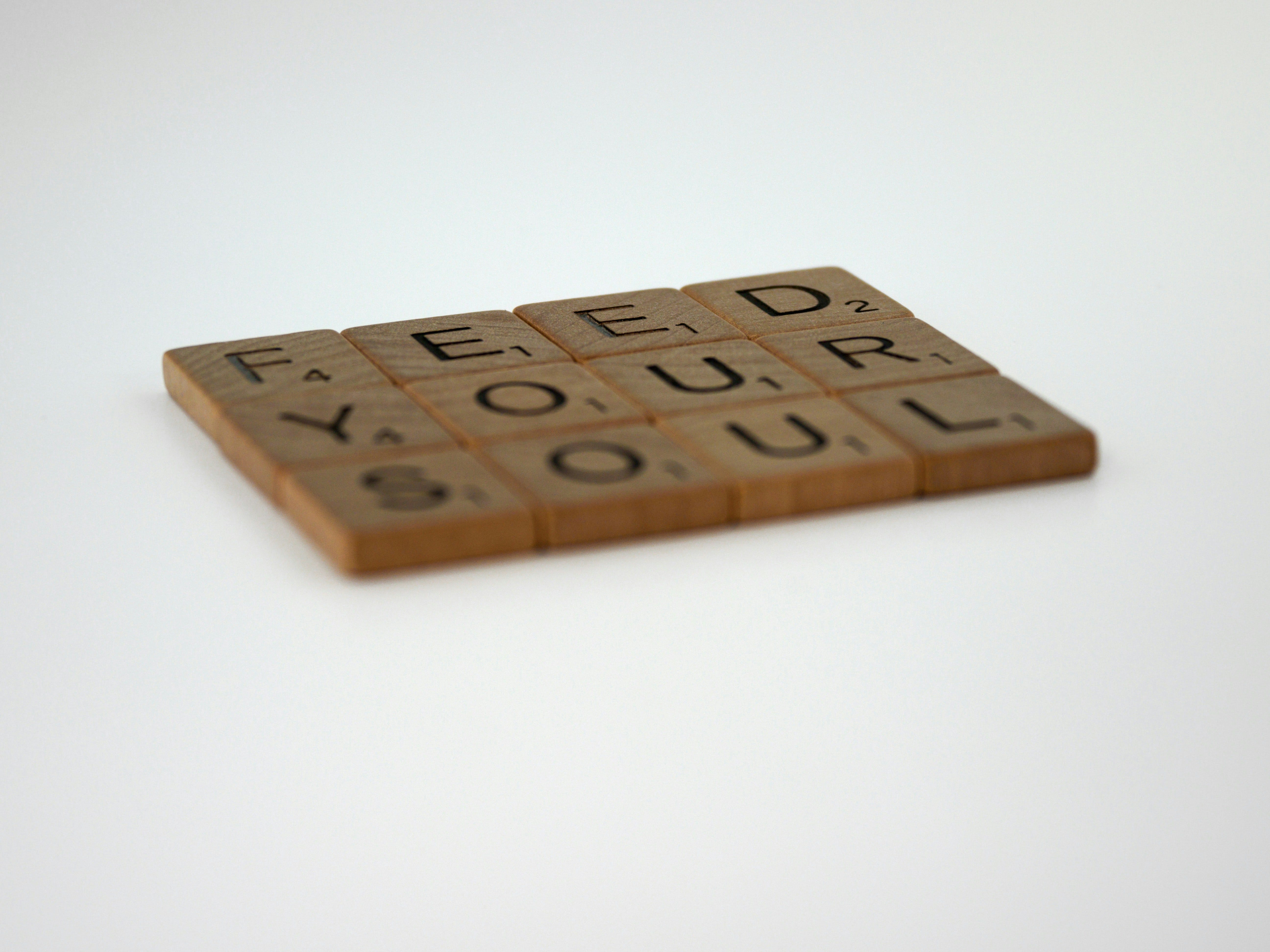
They say you are what you eat.
Of course, they don’t mean that in a literal sense. We don’t find ourselves becoming a hamburger or a taco or a chicken piccata, based on what we had for dinner.
I read recently that the saying originated around 1826, with a French philosopher who said, “tell me what you eat and I’ll tell you what you are,” which seems to me to expand the concept a bit - not so much that we are what we eat, but that who we are can be affected by what we consume.
Certainly we know that a good and healthy diet is important for maintaining a good and healthy body. But I think it goes beyond that. If one aspires to be a great writer, one has to consume great writing. Likewise with artists, musicians, filmmakers, and so on. Healthy consumption for a healthy life is as much an intellectual and spiritual principle as it is physical.
As Catholics we might re-think the origins of that saying, “you are what you eat.” Looking back to the late fourth, early fifth century, Saint Augustine said of the Eucharist, “receive what you are and become what you receive, ” as a reminder that we who receive the Body of Christ become ourselves members of that same Body.
He gets this, of course, from the first-century theologian Saint Paul the Apostle, who said that we, though many, are one body because we partake of the one bread.
So as Catholics, saying “we are what we eat” is not just an old cliche’ – it’s a fundamental doctrine of our faith.
This evening we heard from John’s Gospel, which is unusual in several ways. John begins his Gospel by establishing Christ’s divinity as the Word of God who became flesh and dwelt among us.
Six chapters later, John presents that same Word made Flesh telling us that whoever eats his flesh, and drinks his blood, will have eternal life.
So John’s Gospel gives us the Biblical basis for our understanding of Jesus as Divine, and of the bread and wine of the Eucharist as the Body and Blood of Christ. And it gives us this reminder that what we consume affects what we are, spiritually and physically.
What John’s Gospel does not give us – which the other three Gospels all do – is Jesus instituting the Eucharist at the Last Supper.
We get that tonight from our second reading, from St. Paul’s letter to the Corinthians. It’s the narrative we hear at every Mass during the Eucharistic prayer – how Jesus took bread and, giving thanks, broke the bread and gave it to his disciples saying, take this all of you and eat it; this is my body which will be given up for you. And at the end of the meal he took the cup of wine and, giving thanks, gave it to his disciples saying, take this all of you and drink; this cup is the new covenant in my blood. Do this in memory of me.
John’s Gospel doesn’t give us any of that. Instead, we get the story of Jesus washing his disciples’ feet. The divine Word of God made flesh, their Lord and Master, stoops to wash their feet. The Lord of All becomes servant to all. And he does so, as a model for us to follow.
If indeed we are what we eat, if we become what we receive, Jesus tonight gives us this reminder of what we must become.